

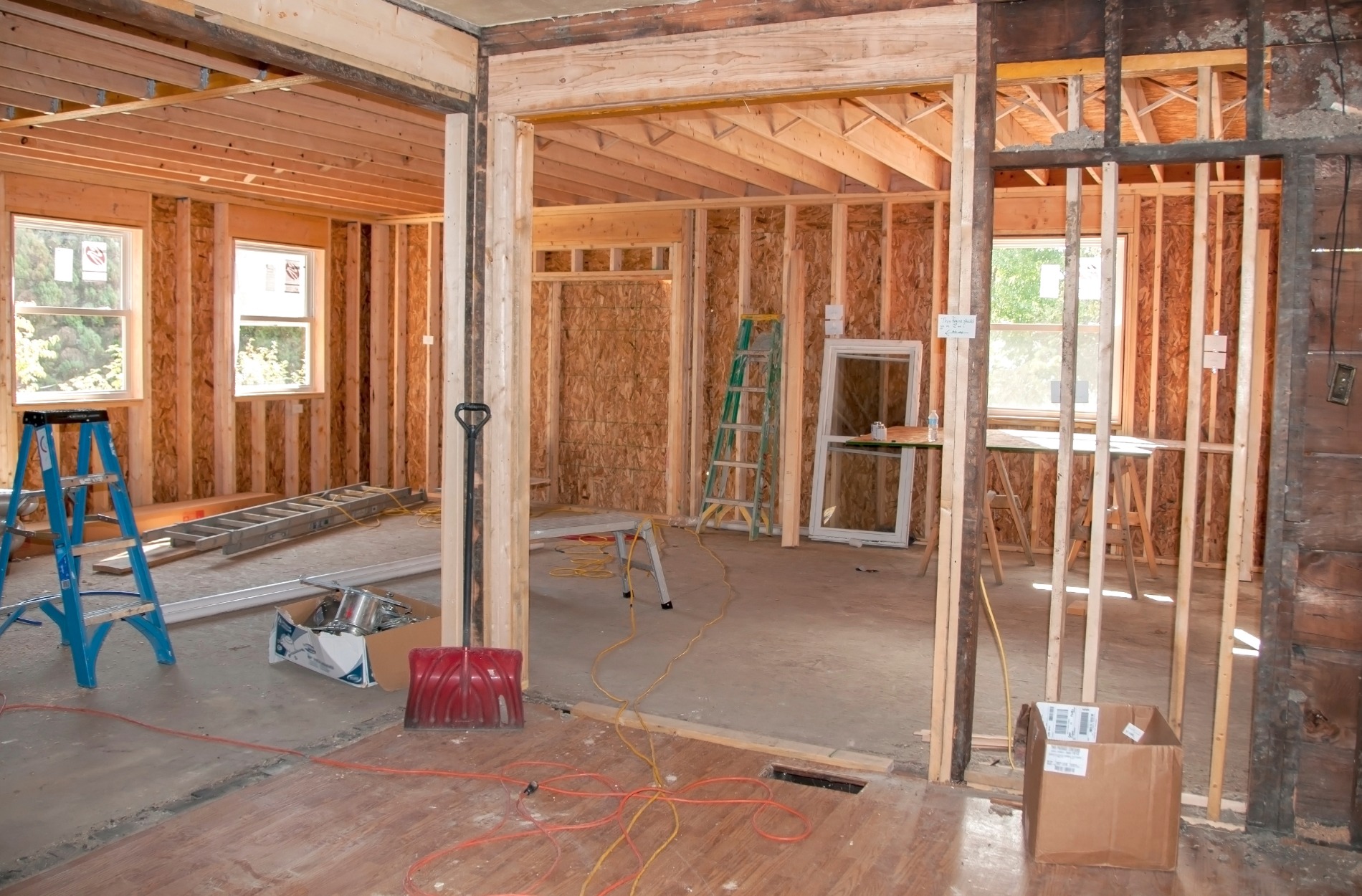
Planning a home extension is exciting, but it often comes with a few curveballs. One of the hardest parts for many homeowners is dealing with local council rules. Every council around Geelong has its own set of steps, and missing just one of them can cause long delays. That’s why working with trusted house extension builders in Geelong can make things a lot smoother right from the start.
Knowing what paperwork is needed, which boxes to tick, and what red tape to expect makes all the difference. Whether you’re thinking of adding a second storey or opening up the kitchen, it helps to understand the bigger picture before the plans are drawn.
Before signing off on an extension, councils look at how it will fit into the area around it. It’s not just about whether the build will work, but how it affects others nearby.
Here’s what councils usually check for:
Many properties sit in different planning zones, and these zones come with their own rules. Some areas are stricter if the land is near the coast, has bushfire risks, or is part of a heritage overlay. That’s why we always recommend checking your planning info early. It saves time and helps shape better design choices.
Council submissions can feel a bit like a waiting game, but knowing the order of things helps manage the pace. Most extensions follow a pretty standard approval path.
Here’s how it usually goes:
Some extensions only need a building permit, while others require both. It depends on the size of the changes and what planning rules affect the land. Extra details, like shadow diagrams or fire safety studies, might also be needed in special areas.
Timelines vary, but delays often happen when drawings don't meet rules or if extra details weren’t included. Taking time upfront to get things right keeps things moving later.
Geelong has more than one planning rulebook, and things change depending on where the house sits. Homes near the coast, bush reserves, or older town centres may deal with more checks or stricter rules.
Some examples of what can shape approval include:
In some cases, councils may also ask you to tell your neighbours about the planned works. This is part of the process when your build might impact someone else's view, light, or privacy. It’s all about working with what’s already around instead of trying to fight it.
Getting through council submissions is easier with someone who’s been through the process before. That’s one reason why house extension builders in Geelong are often the first port of call for locals thinking about adding more space.
Experienced builders know the council expectations and the types of designs that usually pass without problems. They can help shape the initial plans with approval in mind, not just looks or layout. That means fewer back-and-forth changes later.
Working with someone from the start who understands the local limits can make planning feel less overwhelming. It helps stop things from getting stuck at the paperwork stage.
Council rules don’t stay the same forever. What passed last year might not pass this year, especially if planning zones are updated or the neighbourhood has changed. If you’re still thinking through ideas, it’s smart to check the current set of rules before locking anything in.
Some ways to stay across changes include:
Being clear on the latest rules gives you a stronger base to start from and fewer chances of unwanted surprises later.
Building an extension isn’t just about creating more room. It’s about planning well, from the start, to avoid delays and design setbacks. When the council knows what to expect, and your documents line up with the rules, things tend to move faster.
Taking time to work through each stage with careful planning and attentive review leads to fewer unexpected hurdles during the extension process. This extra effort ensures that your home is both safe and stylish, perfectly matching your dreams. Overall, careful steps taken at every stage contribute to a smoother and more predictable project outcome.
Ready to make your extension project run smoothly and stay ahead of surprises? We know Geelong and understand what councils expect when it comes to the design and approvals process. As experienced house extension builders in Geelong, we guide you from the very beginning, helping you make early decisions that set the stage for a less stressful build. At Built By Hammond, we’ll turn your ideas into a plan that suits your block and supports you through approvals. Call us to start a conversation about what works best for your space.


