

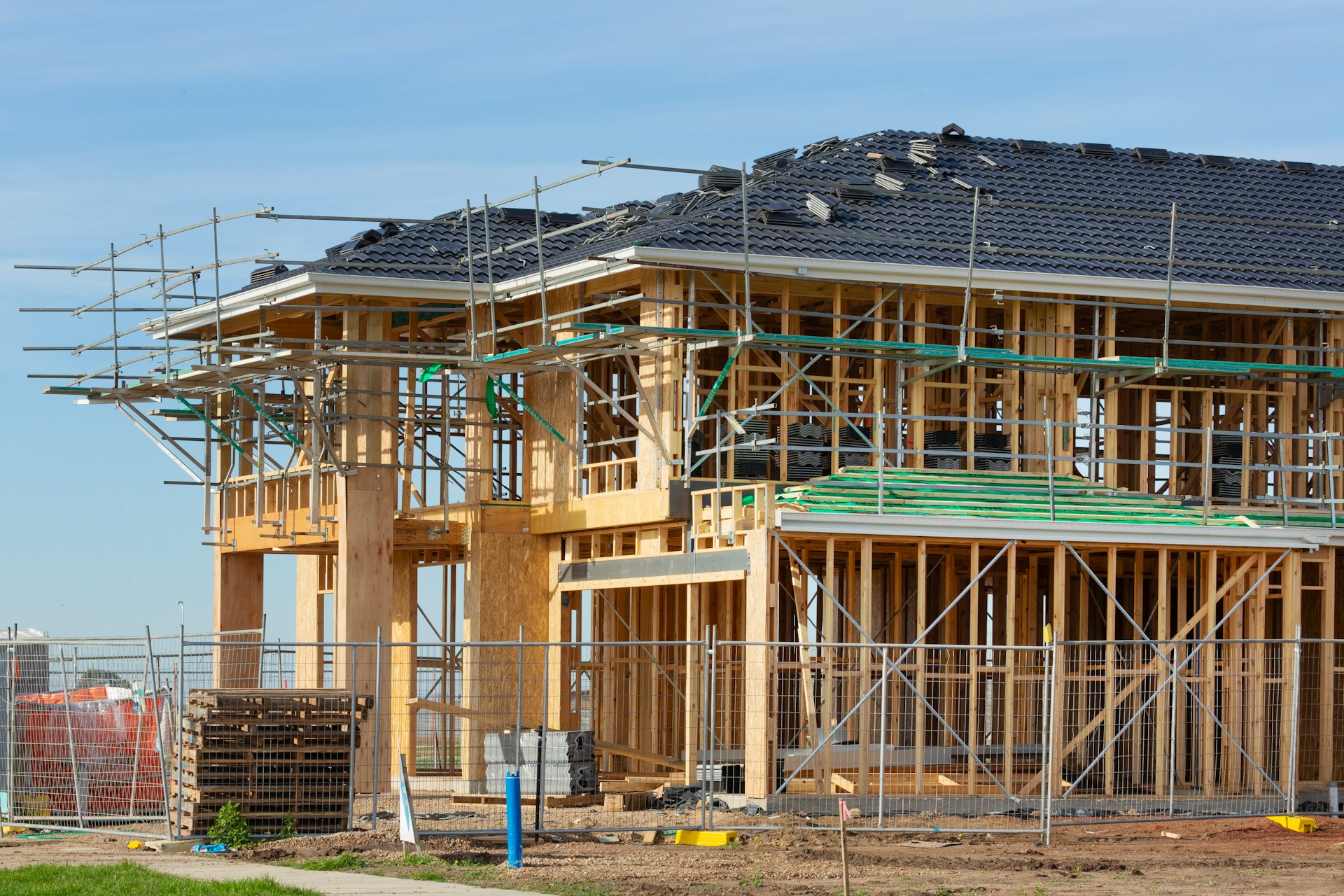
Building a custom home is a major milestone, and it comes with a lot of exciting decisions. One thing that’s easy to overlook is the paperwork side of things, especially building permits. These permits aren’t just a formality. They’re a key part of making sure your project follows local rules, stays safe, and avoids problems down the track. For anyone building in Geelong, permits are part of the process from the ground up.
Understanding how permits work can take a lot of stress off your plate. You’ll know what steps to expect, what delays might pop up, and how to keep things moving smoothly. It’s not about getting bogged down in red tape. It’s about building something that lasts while staying within the law. Getting familiar with this side of the build will help you feel more in control and confident as your new place starts to take shape.
A building permit is an official document that gives you the green light to carry out construction work. It helps make sure that what you're building is safe, compliant, and built to meet minimum construction standards. Whether you’re setting up the foundation, making structural changes, or updating your plumbing, a permit confirms that the work lines up with approved codes.
In Geelong, local councils are responsible for enforcing these rules, but the permits themselves are issued by registered building surveyors. These professionals either work privately or through the council. Once you submit your plans and supporting documents, the surveyor looks at how the work fits with the Building Code of Australia and local laws. If it meets the right standards, you’ll get a permit to move forward.
The basics of the process go like this:
1. You submit an application with all required plans and specifications
2. The surveyor reviews everything for compliance
3. If the plans pass, the permit is issued
4. The work begins under inspection at key stages
5. The surveyor signs off once all work is completed as approved
Skipping this process or starting without a permit can lead to fines, forced removal of works, or delays. It also complicates things if you ever want to sell the home. Before breaking ground, it’s worth making sure your paperwork is solid.
Not every job on your future home falls under one permit. Depending on what you’re building or changing, you might need separate types of approvals. Here's a list of common permits that may apply to a custom home build:
This covers the big stuff like framework, walls, roofs, slabs, and anything that keeps your house standing upright. Any major change or new construction will require this as a base permit.
For new installations or changes to wiring, switches, lighting, and feed-in systems, you’ll need a licensed electrician to carry out the work under this permit. It’s more than just flipping the switch. This makes sure everything is safely set up from Day One.
If you’re installing drainage systems, rainwater tanks, or hot water units, this permit comes into play. It ensures the plumbing layout supports proper flow and won’t cause issues long-term.
Planning to knock down parts of an existing building before you start your custom build? This permit is required to approve the safe removal of old structures ahead of new construction.
This one shows that your home is safe to live in after all work is complete. It’s issued by the building surveyor and means everything’s been built as approved and is ready for use.
Each of these serves a different role. Together, they protect homeowners and make sure no corners are cut just to speed up a job. For example, if you're building a kitchen with a butler's pantry, you’ll want the plumbing and electrical permits to line up with the HVAC setup, lighting features, and drainage plans, not come as afterthoughts.
It’s a bit like seeing different specialists for the parts of your health. Getting the full picture takes a few steps, but it’s worth it once everything’s working together.
Getting a building permit isn’t hard once you know what’s involved. It’s not immediate though, so the earlier you start, the better. Rushing through the process usually leads to mistakes, and mistakes can cause major delays.
Here’s a general overview of what the process looks like:
You’ll need detailed drawings of your home build, complete with elevations, site plans, floor layouts, and engineering reports. These should show how the structure will be built and where everything will go.
This could be via the local council or a private professional. The surveyor becomes the point of contact for reviewing your plans and inspecting build progress later on.
You’ll send your plans, permits for trades such as plumbing and electrical if required, and the necessary forms to the surveyor. Often you’ll also need a certificate of title and relevant energy rating reports.
The surveyor checks to make sure your plans comply with building codes and local laws. If they need clarification or changes, they’ll get back to you with feedback.
Once everything lines up, the building permit is approved and you’re cleared to start work within the timeframe listed.
Key stages of the build like when foundations are poured or framing goes up need to be inspected. Work can’t continue beyond those points until approved.
After construction is done, the surveyor does one last run-through. If everything checks out, they issue the occupancy permit or final certificate.
Building permits don’t automatically come with flexibility. They’re specific to what you submit, so changes mid-build can mean going back to the surveyor for amendments. To help your application go through smoothly:
- Double-check your drawings before submission
- Make sure your trades are registered where needed
- Avoid starting work before the permit lands in your hands
- Set clear timelines so you don’t miss inspection windows
Getting a permit may feel like a slow start to the process, but it ends up saving time and stress later. Mistakes caught at this stage are far easier to fix than ones discovered after the house is standing.
Going through the building permit process can feel pretty straightforward until something holds it up. Even when you’ve done your homework, small details can still throw a spanner in the works. Most delays come from paperwork problems, unclear designs, or changes made without asking the surveyor first.
Here are a few of the usual challenges people run into:
- Missing or incorrect info on submission forms
- Plans that don’t meet the building code or local design guidelines
- Starting construction too early without the official permit
- Unexpected changes during the build that weren’t cleared first
- Falling behind on scheduled inspections
One common scenario is when a homeowner decides to modify the roofline or extend the deck after the permit has already been approved. That change might seem small, but it alters the structural layout, which can lead to a permit update or even a new permit. Making that change without approval risks a stop-work order or fines.
To keep things on track:
- Double-check every document before sending it in
- Stay in touch with your surveyor and ask questions if you're unsure
- Give yourself a realistic timeline for submitting, reviewing, and updating plans
- Stick closely to what was originally approved or get new approval if you change something
- Don’t miss those inspections, they’re checkpoints that keep the project moving
Planning around these common snags can save time and future headaches. It’s better to spot potential issues while the plans are still on paper rather than when the framing’s already up. It also helps to have someone who knows the process reviewing each step so nothing slips through.
You’re not expected to handle the building permit process all by yourself. Trying to do it solo, especially for something as complex as a custom home, is where most people get overwhelmed. That’s where experienced professionals can make a big difference.
When you work with a builder who already understands how Geelong’s permit system works, you’re saving yourself a lot of second-guessing. They know what each form means, what the surveyor is looking for, and how to get everything lined up correctly. This can keep your timeline steady and reduce the chance of rework later on.
They also help manage coordination between trades. For example, if the plumber needs to install piping through a structural beam, the design and permit need to reflect that detail to avoid clashes. A good builder spots that and sorts it out during planning before it causes a delay.
Professionals stay updated with changes to regulations. Even small shifts to construction codes or council rules can affect your project. Having someone in your corner who tracks those changes keeps your build compliant without you needing to comb through guidelines on your own.
They’re also experienced in working with surveyors and councils. That working relationship matters when fast communication is needed. You’re less likely to hit lengthy delays when someone who does this regularly is handling the paperwork.
At the end of the day, the process is still yours. You make the final calls, but having someone guide you through each step takes a big weight off your shoulders.
Understanding building permits might not be the most exciting part of creating your new home, but it’s one of the most important. It's what keeps your build safe, legal, and on the right side of local regulations. When the process is handled properly, it protects your timeline, your investment, and the quality of the finished home.
Taking the time to get familiar with what's involved makes a big difference as your custom home project moves forward in Geelong. You won’t need to track every regulation line by line, but knowing what to expect allows you to better plan, avoid slip-ups, and keep things on track. With the right support, permits stop being a barrier and start acting more like a framework that helps your home take shape safely and smoothly.
For those planning a new build, understanding the intricacies of building permits is key. When you're ready to get started and want a smooth, guided experience from start to finish, take a look at custom homes in Geelong that bring together quality, craftsmanship, and compliance. Built By Hammond is here to help turn your vision into reality with confidence.


