

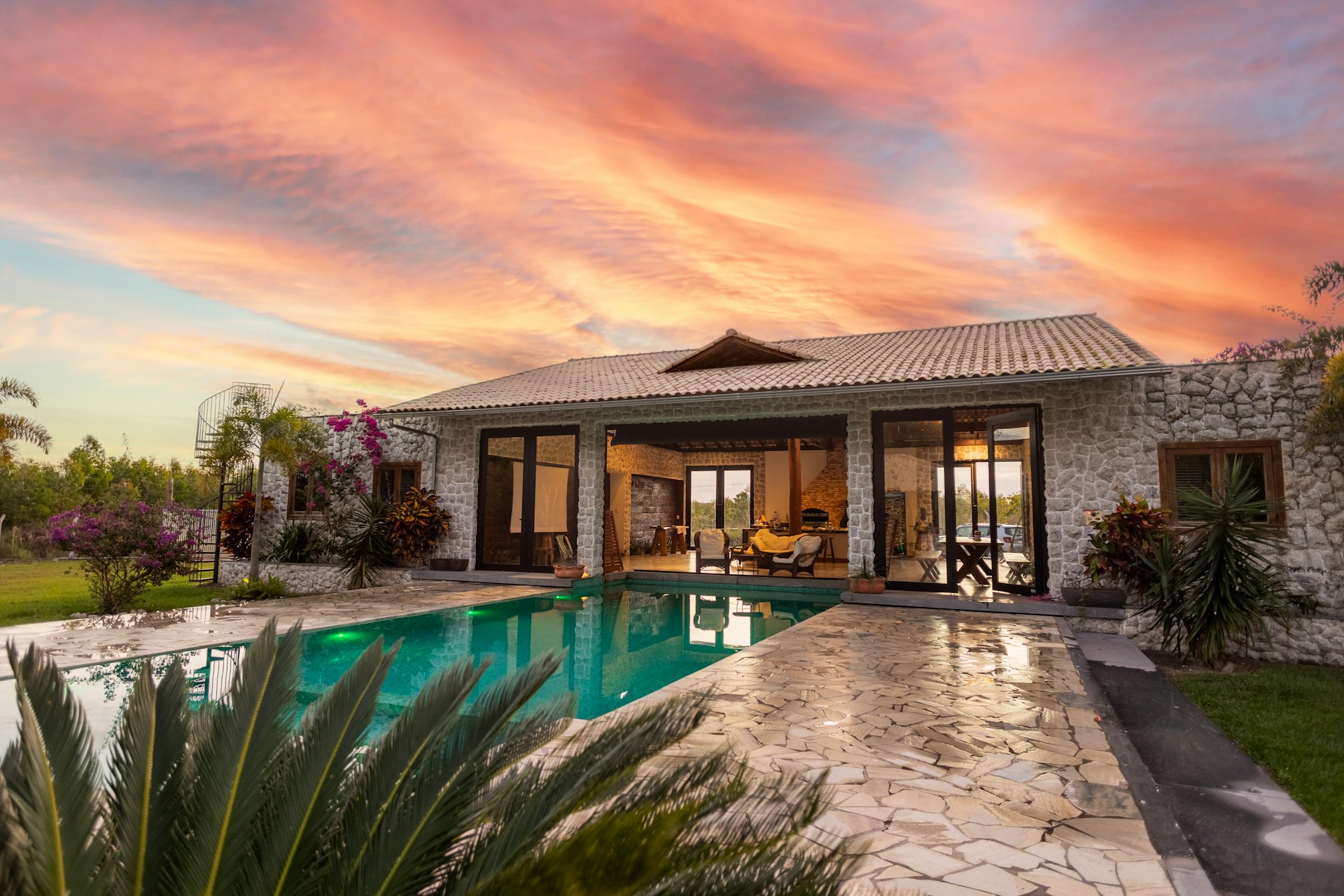
Warm weather around the Bellarine Peninsula often comes with a strong breeze. For anyone building a new home, those coastal winds are more than just background noise. They shape how we design, plan, and construct homes that are going to last. As builders in Bellarine Peninsula, we know firsthand how the wind can affect a build well before it begins. Point Lonsdale and the Bellarine are where we do our best work, and we also take on selected projects in Geelong and along the Surf Coast.
Wind exposure plays a big part in how comfortable a home feels through the seasons, especially during summer. It can influence where we place windows, how a roof handles the gusts, and even what kind of cladding makes sense. If you're planning a home on the coast, it helps to understand how those winds shape what works and what doesn't.
Living on the coast has its perks, but it brings its own building rules too. Around the Bellarine, strong winds are common during summer afternoons and early evenings, often picking up speed in areas with open paddocks or near the cliff line. Some blocks feel completely different depending on how they're exposed.
We always look at the lay of the land and how it faces the afternoon breeze. Some blocks are shielded by trees or dunes, and others are wide open. That makes a big difference when we're planning where to place the home on the block. From day one, we factor in the Bellarine Peninsula's salt-laden air, strong winds, and higher moisture levels when we choose materials and construction methods so the home holds up over time.
Here are a few ways wind shapes the way we build:
• A home that’s square-on to the wind might feel loud or draughty in certain rooms
• Wrong-facing windows can rattle or leak heat
• Long exposed rooflines can flex in high gusts if not properly braced
The good news is, we can work with the wind if we think about it early. Getting the layout and orientation right means breezes cool a space rather than fight against it. Done well, the wind stops being a hassle and starts to work for the home.
Not all homes need to look like bunkers to handle wind. Smart design makes a big difference in how a structure handles strong gusts without adding bulk or losing character. Some features can even help you get the breeze where you want it.
We pay close attention to the shape of a home, especially the roof. A lower-pitched roof or hipped structure tends to carry less wind load than tall gables or big overhangs. Lightweight materials like corrugated steel might suit one area, while heavier tiles are better where roof movement could be an issue.
Good window placement makes a big impact too. It’s not just about views or light. Wind hitting the wrong window face-on can create a build-up of pressure inside. To manage that, we often use smaller windows on the wind-facing side and larger panels where it’s more protected.
Outside of the home, we look for ways the yard can help break wind force:
• Screens, fences or hedges along exposed sides
• Verandas built as weather buffers
• Planting choices that slow down breeze speed
A few tweaks at the design stage often go a long way in keeping the wind from making a home feel unsettled or noisy.
On paper, a plan might look spot on. It ticks boxes, fits the block, and lands within the brief. But build experience on the Bellarine shows us what doesn’t always show up in drawings.
We’ve seen how wind whips around certain corners, or how rain follows the gusts through sliding doors during summer storms. We know which materials have stood up over time, and which ones end up being noisy, rattly, or worn after a few summers.
That kind of local knowledge lets us make small changes that smooth out big problems down the track. Maybe it’s shifting a main living space away from the gust line. Or maybe it’s rotating the garage 30 degrees to avoid strong cross-breeze through the internal access.
Here’s what we tend to notice that others might not:
• Where wind gets trapped between structures
• How it shifts runoff or rain direction
• Where roof flashing might lift or leak in a wild north-westerly
Having builders in Bellarine Peninsula who’ve lived through weather changes helps plan a home that feels solid well beyond its first summer.
One of the easiest mistakes to make is locking in a design before thinking about how it handles the wind. Bringing in builders early, before everything is sketched and signed off, gives you a better chance of avoiding awkward changes later.
We can walk your site with the plans in hand and roughly show how the wind moves across that block. Sometimes it’s clear as day. Other times, it takes a few checks to spot where trouble might turn up on a hot summer afternoon.
There are a few quick ways to tell how wind might affect a site:
• Look at tree shapes and branch lean
• See where older homes have windbreaks
• Notice what direction loose sand or leaves travel
When we line that up with planning overlays, zoning, and bushfire readiness, it gives a clearer picture of what’s workable. High wind areas might mean you need stronger tie-downs, extra bracing, or certain engineered features. Some councils ask for wind reports as part of the approval paperwork.
Getting all that sorted before you submit drawings saves time and avoids surprises halfway through the build.
Living by the sea means taking the weather seriously, but it doesn’t mean you have to give up comfort or design. Planning for strong wind is just one more piece of building smart on the Bellarine.
Homes that work with the wind rather than against it stay cooler in summer, stay quieter in storms, and tend to need less maintenance over time. They feel more stable, more grounded, no matter what kind of gusts roll through the afternoons.
When we start with good local knowledge and honest, early planning, we can build homes that hold up well for years across changing summers and steady coastal breezes. Alongside this, we offer new custom homes, renovations, extensions, and knockdown rebuilds across the Bellarine Peninsula, so each project can respond to both the site conditions and the way you want to live.
If you're planning something new around the coast, we’re happy to talk through what the wind might mean for your plans. At Built By Hammond, we know how the Bellarine breathes in summer, and we build with that in mind.
Building in a coastal area like the Bellarine brings unique opportunities and challenges, especially when it comes to working with the local climate. High winds might be part of summer life, but thoughtful planning now can help avoid issues down the track. At Built By Hammond, we always focus on solutions that suit your block, the weather, and your lifestyle. Discover more about how we approach projects as builders in Bellarine Peninsula. If you are starting to plan your new home, reach out so we can chat about what’s possible.


