

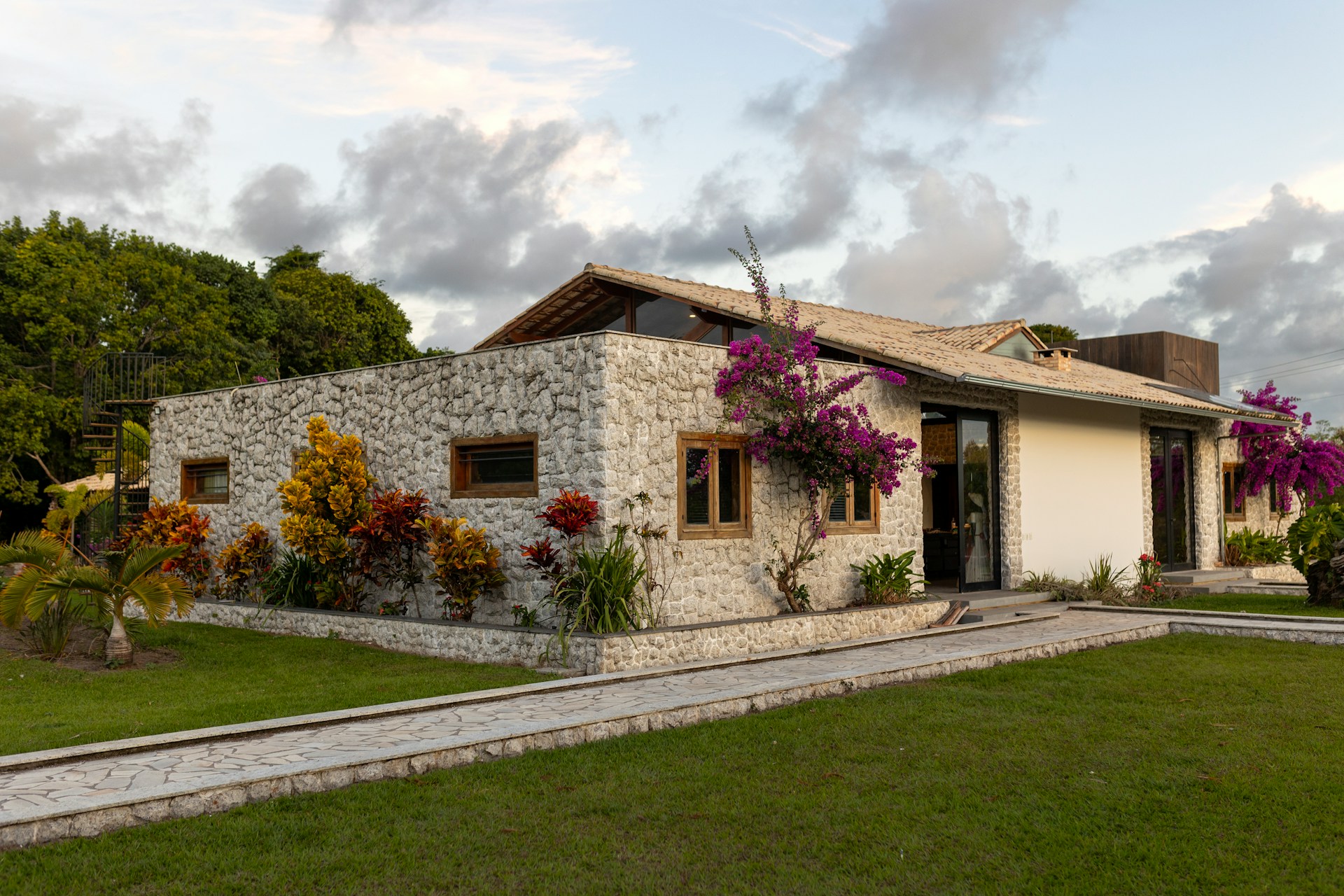
Coastal homes bring something peaceful to everyday life. The sea breeze, wide skies and light-filled spaces are all part of the appeal. But living close to the coast comes with a few practical challenges too, especially during the wet season. Heavy rain, poor drainage and coastal winds can combine to create real problems if homes aren't designed to handle them.
If you’re working with a builder in Portarlington, it helps to keep an eye out for signs your coastal home design might not hold up well when the rain rolls in. Wet weather can reveal weak points you might not notice the rest of the year. Being ready for that early, or planning to avoid it altogether, makes for a much smoother experience.
One of the biggest issues with coastal homes during wet months is drainage. You’ll often spot signs not long after a downpour. Water that pools near the house or soggy patches that hang around too long could suggest surface run-off isn’t being handled properly.
Some things we usually watch for when drainage is an issue include:
If water sits too close to the structure, it doesn’t just dampen the mood. It can feed into shifting foundations, rising damp, or even internal leaks. The layout of your block and the way paths and garden beds are shaped can all change the way water flows. Good planning early on helps avoid these small puddles becoming big problems.
Roof design can be easy to overlook when you’re thinking about open layouts or finishes, but it plays a big part in how a home holds up in wet weather. Eaves and overhangs are there to protect the home’s walls and windows. If they’re too short or angled the wrong way, rain can hit the building in places it shouldn’t.
There are a few clear signs that roof design wasn’t made with wet coastal months in mind:
The roof is where most of the water hits first, so it makes sense to build that part right from the start. And once that water lands, the gutter system needs to be ready to move it away quickly and cleanly.
Coastal air carries salt, and that changes how building materials age. Add plenty of rain and wind, and you’ve got a recipe for faster wear on anything not built with these conditions in mind. Using the wrong materials along the coast can lead to swelling, surface breakdown or damage you don’t notice until it’s too far along.
Some of the materials we’ve seen struggle under coastal and wet-season pressure include:
Make sure finishes, trims and surfaces are made for more water exposure. Not everything needs to be heavy-duty, but small upgrades in material choices early can save a lot of repairs and patching later on.
Building near the coast often means fewer trees, more open surroundings and breezy days. But indoors, things can close in fast during a stretch of wet weather. If your design doesn’t support good cross-breeze or let fresh air flow through, wet-season dampness can build up inside where you really don’t want it.
Ventilation issues usually show up in a few everyday ways:
Too much moisture inside doesn’t just ruin the mood. It can mess with electronics, appliances and your health. Planning for open lines of airflow, vents or fans makes a big difference through the cooler and wetter parts of the year.
When your coastal home has been through a few wet seasons, structural signs often speak loudly if something’s not right. These warnings aren’t about looks. They’re signals that parts of the home are under stress or reacting to water where it’s not supposed to be.
Things we look out for include:
Water has a way of reaching hidden places. By the time some of these changes show up, repairs can be more than surface-deep. If you’re noticing more than one of these signs at once, it’s a good time to get a closer look at what’s going on underneath or behind the scenes.
Rainy periods show how a house really performs. On a dry day, most homes look the same. But when the ground is soaked and the skies are grey for a week or two, the poor design choices stand out quickly. That’s especially true in coastal spots like Portarlington, where both salt and storms shape how homes should be built.
Planning ahead and spotting these red flags early doesn’t make your home more complicated. It just makes it more likely to stay safe, dry and easier to care for once the bad weather hits. Local experience matters here, because soil, rainfall and wind patterns all change from one street to the next.
If you’re working with a builder in Portarlington or nearby, make sure your design choices are ready for the wet season long before that first crack of thunder. Wet weather doesn't wait around, so your home shouldn't be built on hope. It should be built with awareness.
Building along the Bellarine means every detail matters, especially when your home needs to stand strong through the wet season. As a trusted builder in Portarlington, we’ve helped homeowners identify weather-related risks early and design for resilience, from rooflines to drainage and everything in between. At Built By Hammond, we understand how to create coastal homes that handle local conditions without losing that fresh, open feel. Let’s talk about your plans. Reach out if you’re looking for a reliable builder in Portarlington.


